
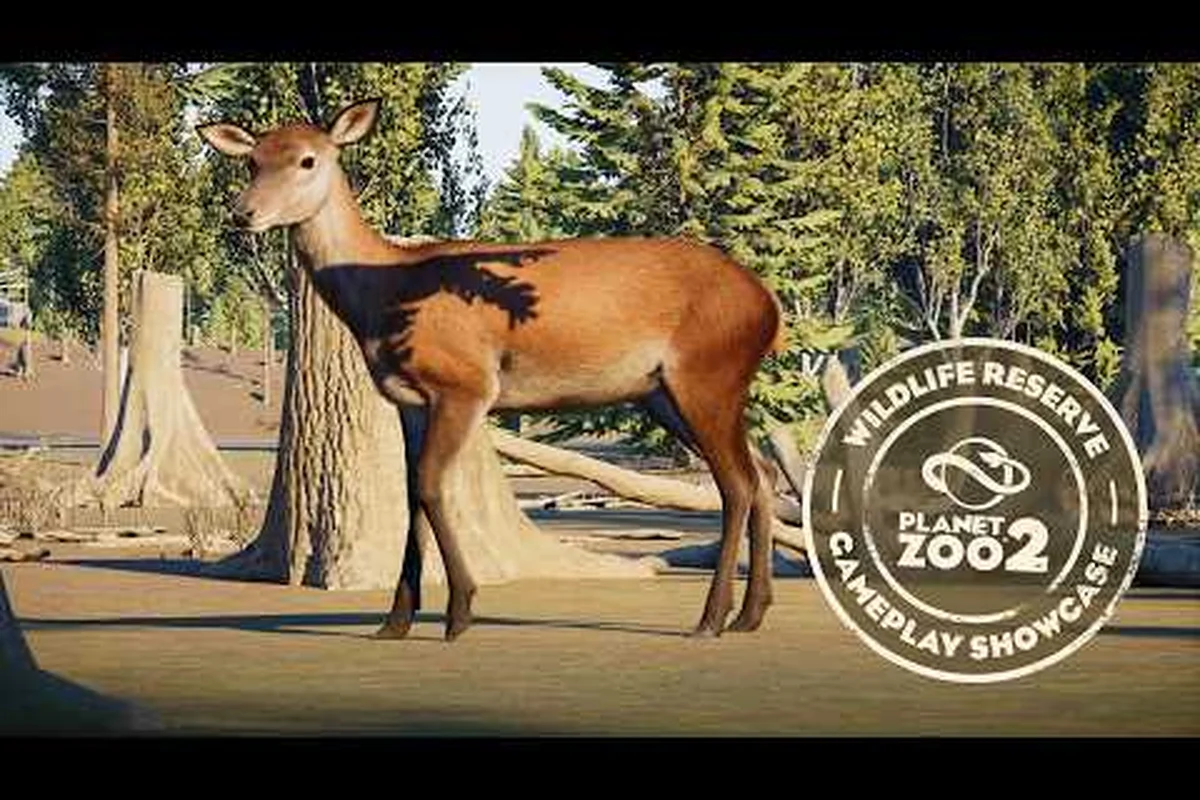
Effective reserve management in Planet Zoo 2 transforms scattered animal enclosures into thriving, self-sustaining ecosystems that generate conservation credits while restoring endangered populations. The Wildlife Reserves system rewards players who think beyond traditional zoo layouts, prioritizing habitat connectivity, genetic diversity, and strategic release timing over simple exhibit density. This guide breaks down the exact mechanics that separate struggling reserves from rewilding powerhouses.
Understanding Reserve Management Fundamentals
Planet Zoo 2 reserve management operates on a fundamentally different logic than standard zoo building. While a traditional zoo optimizes guest flow and exhibit visibility, a Wildlife Reserve optimizes ecological health, species interaction, and release readiness. The official Planet Zoo 2 features page confirms that the game introduces over 130 animal species, including flying birds and fully aquatic creatures, which directly impacts how reserves must be designed to accommodate diverse movement patterns and habitat requirements.
The core loop of reserve management revolves around three interconnected systems: habitat suitability, population dynamics, and release eligibility. Habitat suitability measures how well your reserve terrain, foliage, water features, and shelter match each species' requirements. Population dynamics tracks breeding rates, age distribution, and social group stability. Release eligibility determines when an animal has reached sufficient health, genetic fitness, and behavioral readiness to survive in the wild.
| Reserve Metric | What It Measures | Optimization Priority |
|---|---|---|
| Habitat Suitability | Terrain, foliage, water, shelter match | High — directly gates breeding |
| Genetic Diversity | Inbreeding risk, allele spread | Critical — prevents population collapse |
| Release Readiness | Health, age, social integration | Medium — requires balanced growth |
| Biodiversity Index | Species count, trophic spread | High — drives conservation credits |
| Carrying Capacity | Max sustainable population | Medium — prevents overcrowding |
Community testing indicates that reserves with habitat suitability above 85% consistently outperform those focused purely on animal count. The reason is straightforward: suitable habitats reduce stress markers, which in turn lowers disease incidence and increases successful breeding attempts. Players who rush to add species without first stabilizing terrain and foliage often face cascading welfare failures that drain reserve funds and slow rewilding progress.
Building a Rewilding-Ready Reserve Layout
The physical layout of your reserve determines whether rewilding efforts succeed or stall. Unlike zoo exhibits where animals are separated into discrete enclosures, Wildlife Reserves benefit from connected habitat corridors that allow natural movement patterns and territorial behaviors. The official Planet Zoo 2 game modes page describes Wildlife Reserves as expansive environments distinct from traditional zoos, which means your design philosophy must shift accordingly.
Start by mapping out core habitat zones based on terrain elevation and water access. Aquatic species require deep water bodies with gradual shorelines, while arboreal species need vertical climbing structures and dense canopy coverage. Ground-dwelling herbivores thrive in open grassland with scattered shelter, and predators need territory large enough to establish hunting ranges without constant conflict.
Designing Multi-Species Habitat Zones
Multi-species enclosures in reserves work differently than zoo exhibits. The key is selecting species with compatible biome requirements and non-overlapping dietary niches. For example, a savanna zone can support zebras, wildebeest, and giraffes simultaneously because they occupy different feeding heights and have complementary social structures. Adding a predator to the same zone requires careful population balancing to prevent prey depletion.
| Zone Type | Compatible Species Examples | Key Design Requirement |
|---|---|---|
| Savanna Grassland | Zebra, Wildebeest, Giraffe | Open grazing area + scattered acacia |
| Tropical Wetland | Flamingo, Crocodile, Hippo | Deep water + mud flats + basking spots |
| Temperate Forest | Red Deer, Wild Boar, Lynx | Dense understory + fallen logs |
| Alpine Tundra | Ibex, Snow Leopard, Yak | Rocky outcrops + steep terrain |
The carrying capacity of each zone must be monitored closely. Overcrowding triggers stress behaviors, increases disease transmission, and reduces breeding success. A practical rule from community experience is to maintain population density at roughly 70-80% of maximum capacity, leaving buffer space for newborn animals and seasonal fluctuations.
Water and Terrain Engineering
Water features serve as more than aesthetic elements in reserve management. They function as natural barriers, drinking sources, and aquatic habitats simultaneously. The official Planet Zoo 2 announcement highlights fully aquatic species as a new addition, meaning your reserve must include substantial water bodies that support underwater navigation and surface breathing patterns.
Terrain sculpting affects drainage, sun exposure, and animal pathing. Gentle slopes prevent erosion and allow easy movement for large herbivores, while steep cliffs create natural boundaries that reduce fencing costs. Rock formations provide shelter from weather and create microclimates that support temperature-sensitive species.
Release to the Wild: Step-by-Step Workflow
The release-to-the-wild mechanic represents the culmination of your reserve management efforts. According to the official Planet Zoo 2 player guides, animals must meet specific welfare and genetic thresholds before they qualify for release. Understanding this workflow prevents wasted breeding cycles and maximizes conservation credit returns. s. According to the official Planet Zoo 2 player guides, animals must meet specific welfare and genetic thresholds before they qualify for release. Understanding this workflow prevents wasted breeding cycles and maximizes conservation credit returns, especially when timed around the rotating bonuses and species spotlights covered in the Planet Zoo 2 Conservation Events calendar.
Pre-Release Assessment Checklist
Before initiating any release, verify that each candidate animal meets all eligibility requirements. The assessment process evaluates health status, genetic fitness, age appropriateness, and social integration. Animals that fail any category remain in your reserve until conditions improve.
| Assessment Category | Minimum Requirement | Common Failure Cause |
|---|---|---|
| Health Status | No active disease, injury healed | Overcrowding, poor nutrition |
| Genetic Fitness | Diversity score above 60% | Inbreeding from small founder pool |
| Age Range | Young adult to prime adult | Released too early or too late |
| Social Integration | Stable group membership | Frequent dominance conflicts |
The genetic diversity score deserves special attention because it directly impacts long-term rewilding success. Animals with low genetic diversity may survive release but struggle to establish viable wild populations. Community data suggests maintaining at least three unrelated breeding pairs per species in your reserve to prevent genetic bottlenecks.
Executing the Release
Once animals pass assessment, the actual release process involves selecting the target wild location and confirming transport logistics. The game evaluates release site suitability based on climate match, existing population density, and habitat availability. Choosing an appropriate site increases the chance that released animals integrate successfully into wild populations.
Successful releases generate conservation credits that scale with the animal's rarity and genetic quality. Endangered species yield substantially more credits than common species, incentivizing players to focus breeding efforts on threatened populations. The credits can then be reinvested into reserve expansion, advanced veterinary facilities, or additional founder animals.
Maximizing Biodiversity for Conservation Credits
Biodiversity functions as both an ecological goal and an economic driver in Planet Zoo 2 reserve management. The biodiversity index measures species richness, genetic variation, and trophic level distribution across your reserve. Higher biodiversity scores unlock better conservation credit multipliers and attract more prestigious rewilding opportunities.
Species Selection Strategy
Choosing which species to introduce requires balancing ecological compatibility with conservation value. Keystone species — those that disproportionately influence ecosystem health — should receive priority because they enable other species to thrive. Predators, large herbivores, and ecosystem engineers like beavers or elephants all qualify as keystone species in their respective biomes.
| Species Type | Conservation Value | Reserve Impact | Recommended Priority |
|---|---|---|---|
| Keystone Predator | Very High | Controls prey populations | First — stabilizes ecosystem |
| Large Herbivore | High | Shapes vegetation structure | Second — creates habitat variety |
| Ecosystem Engineer | High | Modifies terrain and water | Second — enables other species |
| Specialist Species | Medium | Requires specific conditions | Third — adds diversity |
| Generalist Species | Medium | Adapts easily | Third — fills gaps |
The official Planet Zoo 2 Steam page emphasizes that releasing animals into expansive Wildlife Reserves represents a core gameplay pillar, which means biodiversity optimization should guide most of your long-term planning. Reserves that maintain trophic balance — appropriate ratios of producers, herbivores, and predators — experience fewer population crashes and more stable credit generation.
Managing Population Dynamics
Population management in reserves requires proactive intervention rather than reactive correction. Birth rate monitoring, age structure analysis, and territorial conflict resolution all demand regular attention. Left unchecked, herbivore populations can explode and strip vegetation, while predator populations may collapse from food scarcity.
Implement contraception protocols for species approaching carrying capacity, and prioritize release candidates from overrepresented age cohorts. This approach maintains genetic diversity while preventing resource depletion. Community reports indicate that reserves with structured population management earn conservation credits roughly 40% faster than those relying on passive observation.
Advanced Rewilding Strategies for Long-Term Success
Mastering Planet Zoo 2 reserve management requires moving beyond basic habitat setup into strategic ecosystem engineering. The most successful rewilding operations treat reserves as dynamic systems where every management decision creates ripple effects across species interactions and habitat quality.
Genetic Management and Breeding Programs
Long-term rewilding success depends on maintaining genetic health across multiple generations. Founder populations with limited genetic diversity inevitably produce inbred offspring with reduced fitness and higher disease susceptibility. Counter this by periodically introducing new founder animals from the trade center or completing conservation projects that provide genetically distinct individuals.
| Genetic Strategy | Implementation Method | Expected Outcome |
|---|---|---|
| Founder Diversification | Import unrelated animals regularly | Prevents inbreeding depression |
| Selective Breeding | Pair animals with complementary traits | Improves offspring fitness |
| Population Rotation | Release older animals, retain juveniles | Maintains age balance |
| Genetic Screening | Monitor diversity scores before breeding | Avoids wasted breeding cycles |
The release-to-the-wild guide embedded in the game's career mode introduces these concepts progressively, but franchise mode players must self-direct their genetic management. Successful reserves typically maintain detailed breeding records and plan pairings several generations ahead, treating each species as a long-term conservation project rather than a short-term credit source.
Integrating Conservation Projects
Conservation projects provide structured goals that align with rewilding objectives. These projects often require specific species populations, habitat conditions, or release milestones before completion. Completing projects yields substantial conservation credits and unlocks advanced reserve features that further accelerate rewilding progress.
The relationship between reserve management and conservation projects creates a positive feedback loop. Better reserve management enables project completion, which unlocks better tools and facilities, which enables more sophisticated reserve management. Players who ignore conservation projects miss out on this compounding advantage and progress more slowly toward rewilding mastery.
Frequently Asked Questions
How does reserve management differ from regular zoo management in Planet Zoo 2?
Reserve management prioritizes ecological health, genetic diversity, and release readiness over guest satisfaction and exhibit aesthetics. Wildlife Reserves feature connected habitats, natural barriers, and multi-species zones that mimic wild ecosystems rather than discrete enclosures. The goal shifts from displaying animals to preparing them for successful reintroduction into wild populations.
What is the fastest way to earn conservation credits through rewilding?
Focus on breeding endangered keystone species with high genetic diversity scores, then release them at optimal age ranges. Completing conservation projects that align with your existing reserve species provides additional credit multipliers. Community data suggests that maintaining trophic balance and avoiding overcrowding accelerates credit generation by roughly 40% compared to passive management approaches.
Which animals should I prioritize for my first Wildlife Reserve?
Start with generalist herbivores that adapt easily to varied conditions, then introduce a keystone predator once prey populations stabilize. Ecosystem engineers like beavers or elephants create habitat variety that supports additional species. Avoid specialist species until your reserve has established stable microclimates and reliable food sources.
When should I release animals to the wild instead of keeping them in my reserve?
Release animals when they reach young adult to prime adult age, maintain health status without active disease, and achieve genetic diversity scores above 60%. Socially integrated animals with stable group membership have higher post-release survival rates. Releasing animals too early reduces their wild survival chances, while releasing too late wastes breeding potential.
How does biodiversity affect my reserve's overall performance?
Higher biodiversity scores unlock better conservation credit multipliers and attract more prestigious rewilding opportunities. Biodiversity measures species richness, genetic variation, and trophic level distribution. Reserves with balanced producer-herbivore-predator ratios experience fewer population crashes and more stable long-term credit generation compared to species-poor reserves.