
Animals
Browse the Planet Zoo 2 animal roster — lions, chimpanzees, reef sharks, sea turtles, toucans and more — with welfare needs, breeding, genetics and enrichment information.
Introduction
The Animals hub is the living catalogue of every species in Planet Zoo 2 — from returning land icons like lions and giant pandas to the series-first aquatic and flying species. Each animal entry explains exactly what the creature needs to stay happy: habitat size and terrain, water depth or aviary space, social group, food and enrichment. You also learn how breeding works, including genetics, rare colour morphs and albino odds, so you can plan a strong population for your zoo or for release into Wildlife Reserves. Because animal welfare drives guest happiness and reputation, this hub is the reference you will consult before every new habitat.
Signature Species Quick Reference
| Species | Type | Habitat | Key Need |
|---|---|---|---|
| Lion | Mammal | Grassland | Large pride, big territory |
| Western Chimpanzee | Mammal | Forest | High climbing + social |
| Blacktip Reef Shark | Aquatic | Saltwater Aquarium | Large tank, filtration |
| Toco Toucan | Bird | Aviary | Flying space + fruit diet |
| Secretary Bird | Bird | Aviary | Open ground, hunting space |
| Giant Panda | Mammal | Forest | Bamboo diet, cool climate |
Species Spotlight
Blacktip Reef Shark
The star of the new saltwater aquarium — a reef shark you can finally see diving from above.
Toco Toucan
A fully flying bird for custom aviaries — vivid beak, fruit diet and acrobatic flight paths.
Western Chimpanzee
Smart, social primates that need climbing structures and a dynamic group hierarchy.
Giant Panda
A conservation icon that demands cool bamboo habitats and careful breeding.
West Indian Manatee
A gentle giant for large freshwater habitats.
Secretary Bird
An open-ground hunting bird for large aviaries.
Core Mechanics
Animal welfare in Planet Zoo 2 is powered by a set of interlocking needs: habitat size and shape, terrain and water features, food and water supply, enrichment, social grouping and temperature. Each species has a Zoopedia entry that tells you exactly what it needs, and the game surfaces a welfare panel per animal showing happiness by category. Breeding adds a genetics layer — offspring inherit size, fertility and immunity stats from both parents, with rare colour morphs (albino and dilute) governed by hidden modifiers. Keeping animals happy not only looks good; it drives guest satisfaction, education ratings and ultimately your zoo's reputation and income.
Advantages
A complete animal roster makes Planet Zoo 2 stand out: fully aquatic species and fully flying birds are genuine series firsts, so the Animals hub has immediate SEO value for players searching specific species like blacktip reef shark or toco toucan. Each entry is built around the keys players actually ask about — habitat size, diet, welfare and breeding — which means the pages answer the exact questions a new keeper types into Google before they open the game. Because welfare directly feeds guest happiness, education ratings and franchise trading, understanding this roster also makes you a stronger manager and more competitive in the animal market. Whether you are stocking your first saltwater aquarium or planning a panda breeding programme, the hub gives you the species-level detail you need without forcing you to guess from a generic template.
Challenges
The roster is still young: as a launch-era game, not every species has deep community-tested data, and some welfare numbers (exact enrichment recharge times, climate tolerances) are community estimates rather than official values. The full species count has not been officially confirmed, so any "how many animals" claim should be treated cautiously. Breeding values also shift with balance patches, so species pages must be revisited after major updates. Finally, aquatics and flying birds have very different welfare models from land animals — advice that works for lions does not always translate to sharks or toucans, and players should read the habitat-specific sections before building.
Frequently Asked Questions
How many animals are in Planet Zoo 2?+
How do I breed animals in Planet Zoo 2?+
Can I get albino animals?+
Why is my animal stressed?+
Quick Tips
Always check the Zoopedia habitat size before building. It lists the minimum space, terrain type and water needs for each species, and the social group the animal expects. Building the correct footprint the first time saves hours of rework — and animals that are happy from day one breed faster, earn more guest attention and keep your zoo reputation climbing instead of fighting welfare warnings.
Mix enrichment types, not just quantity. A single toy may keep the welfare bar green for a short time, but rotating browse feeders, scent trails and climbing structures keeps animals continuously engaged for much longer, reduces stress events and raises the education value that guests receive from each viewing area — happy, active animals are the best advertising your zoo can get.
Breed for genetics, not just numbers. Track your animals' size, fertility and immunity stats and pair the strongest, unrelated adults. This produces higher-value offspring that sell for more Conservation Credits, are better candidates for release into Wildlife Reserves, and give your franchise network a reliable supply of high-grade breeding stock to trade with other players.
Featured
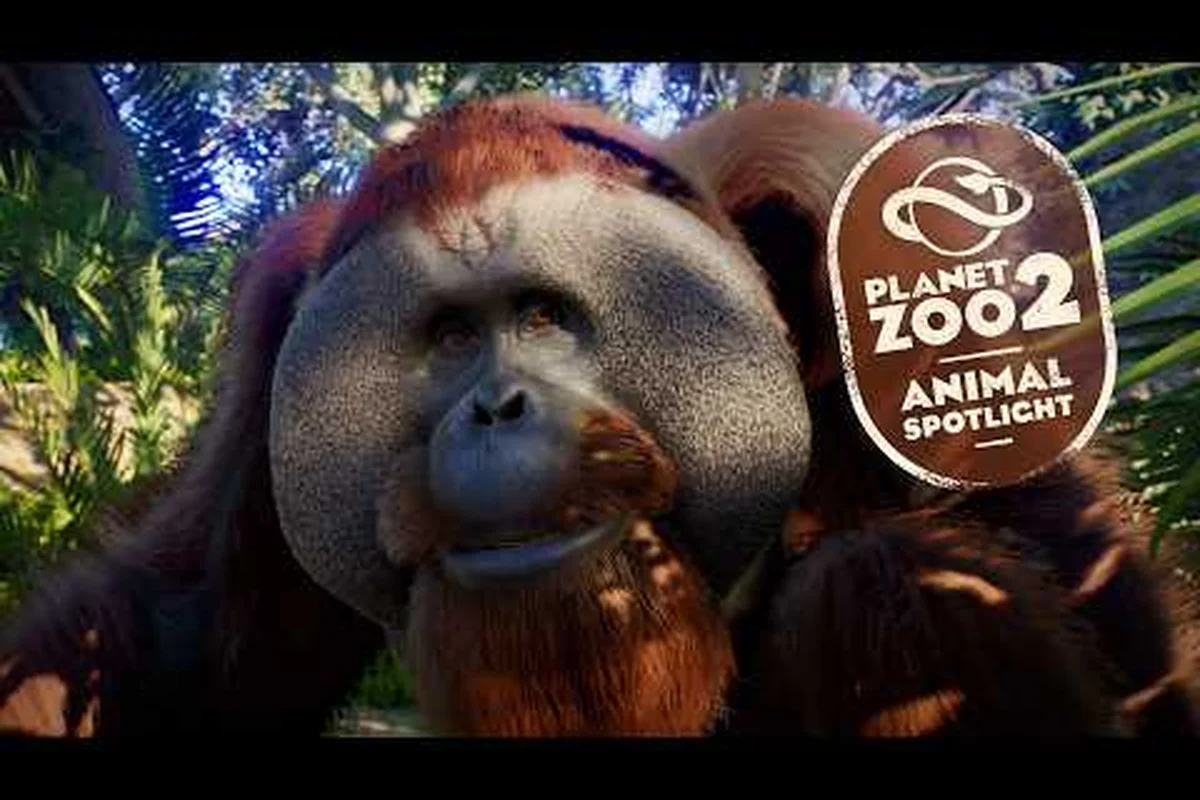
Planet Zoo 2 Animals List: All 130+ Species & New Additions
Browse the full Planet Zoo 2 animals list of 130+ species, from new additions like the black rhinoceros to fully aquatic and flying creatures for the first time.
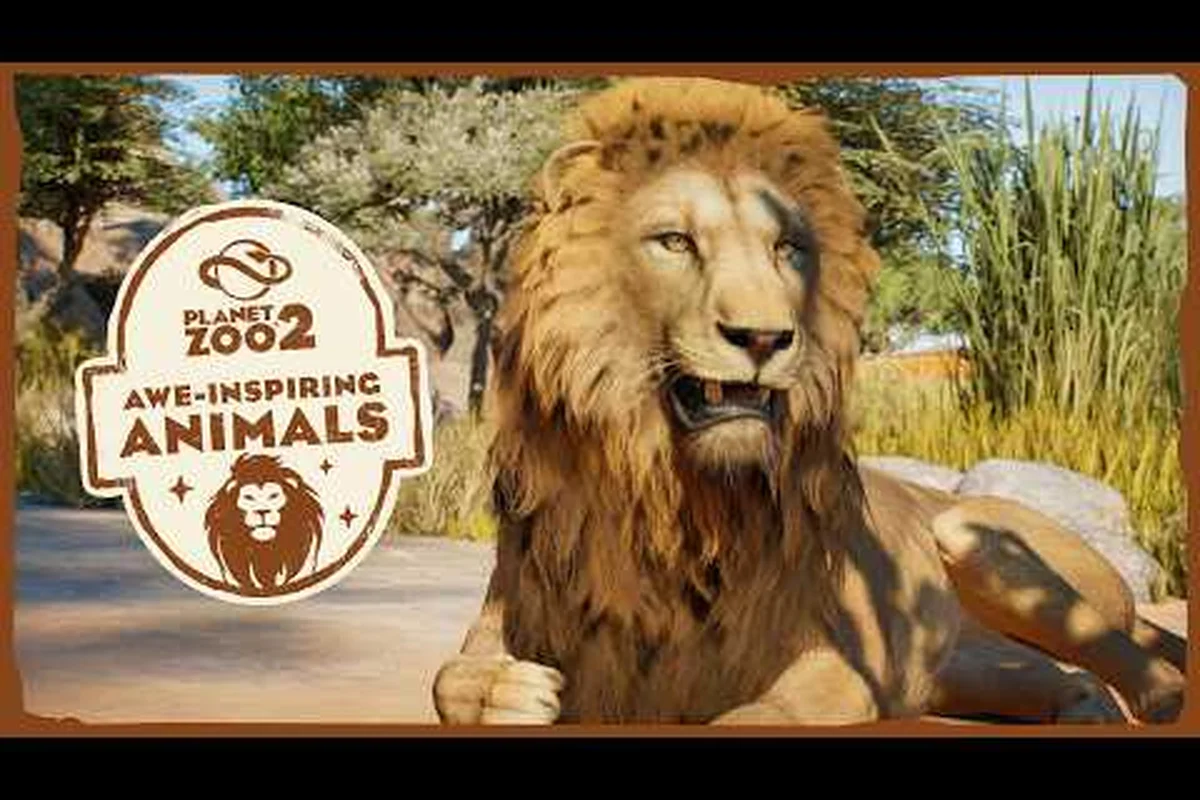
Planet Zoo 2 Animal Enrichment: Toys, Herding & Behaviour
Boost welfare in Planet Zoo 2 animal enrichment — use toys and stimuli to trigger herding behaviour, natural actions, and happier habitats.
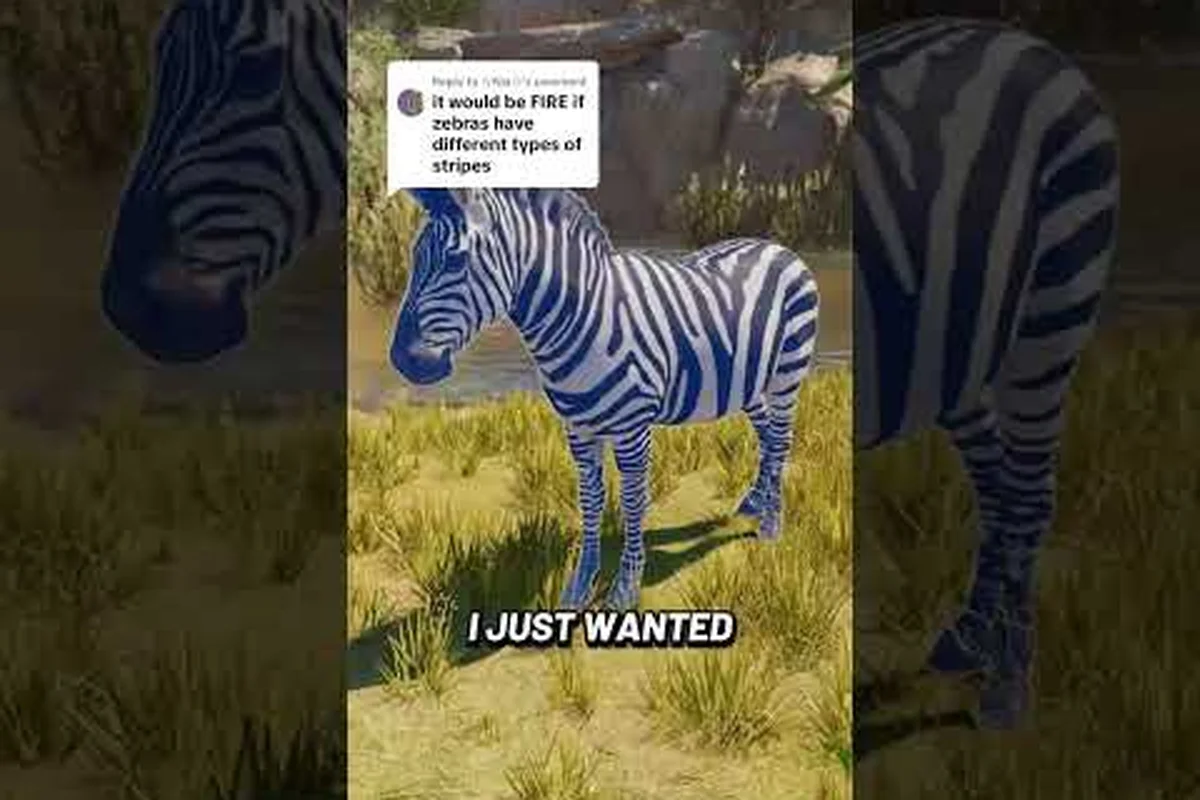
Planet Zoo 2 Animal Genetics: Breeding Tips & Trade Guide
Master Planet Zoo 2 animal genetics with breeding strategies, conservation bloodlines, trade tips, and how to pass useful traits to offspring in your zoo.
All Articles
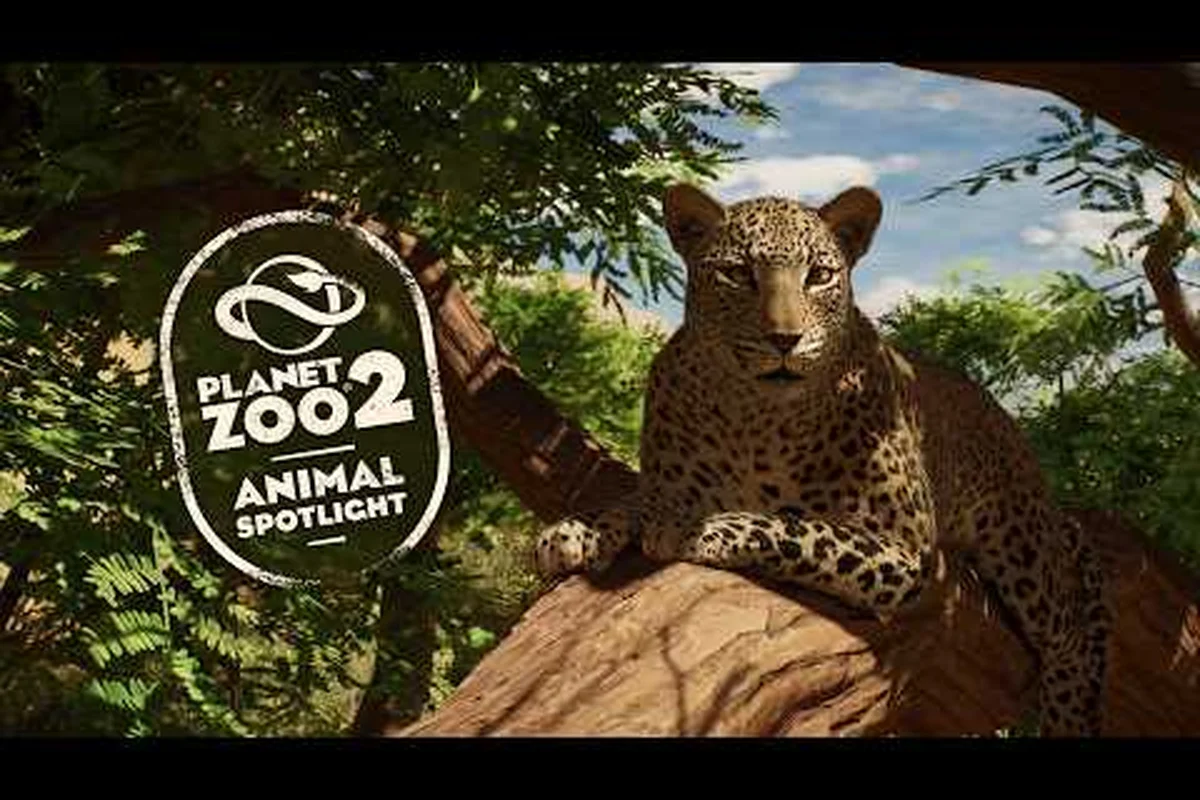
Planet Zoo 2 Animal Lifespan: Aging, Research & Rare Morphs
Track Planet Zoo 2 animal lifespan, research progression, and how to unlock rare colour morphs and albino variants through careful long-term care.
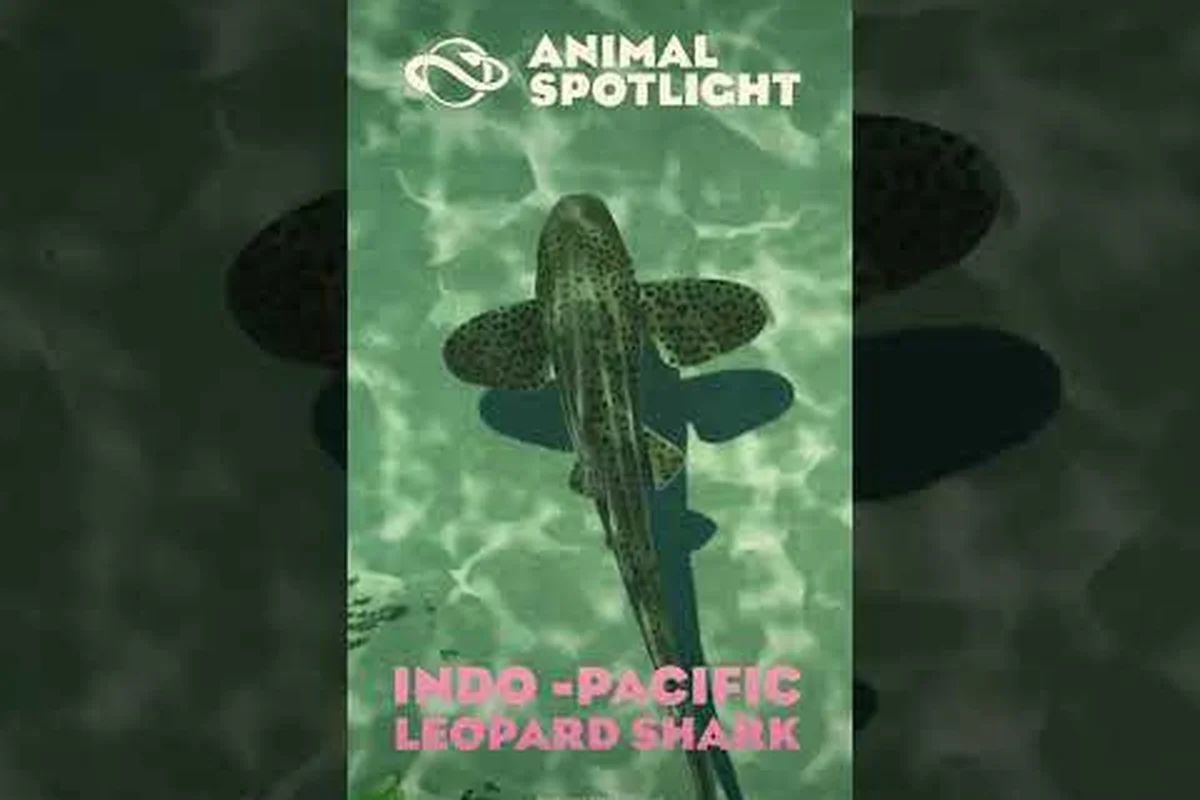
Planet Zoo 2 Blacktip Reef Shark: Aquarium Setup & Care
Set up the perfect saltwater aquarium for the Planet Zoo 2 blacktip reef shark, covering water body needs, filtration, and welfare management.
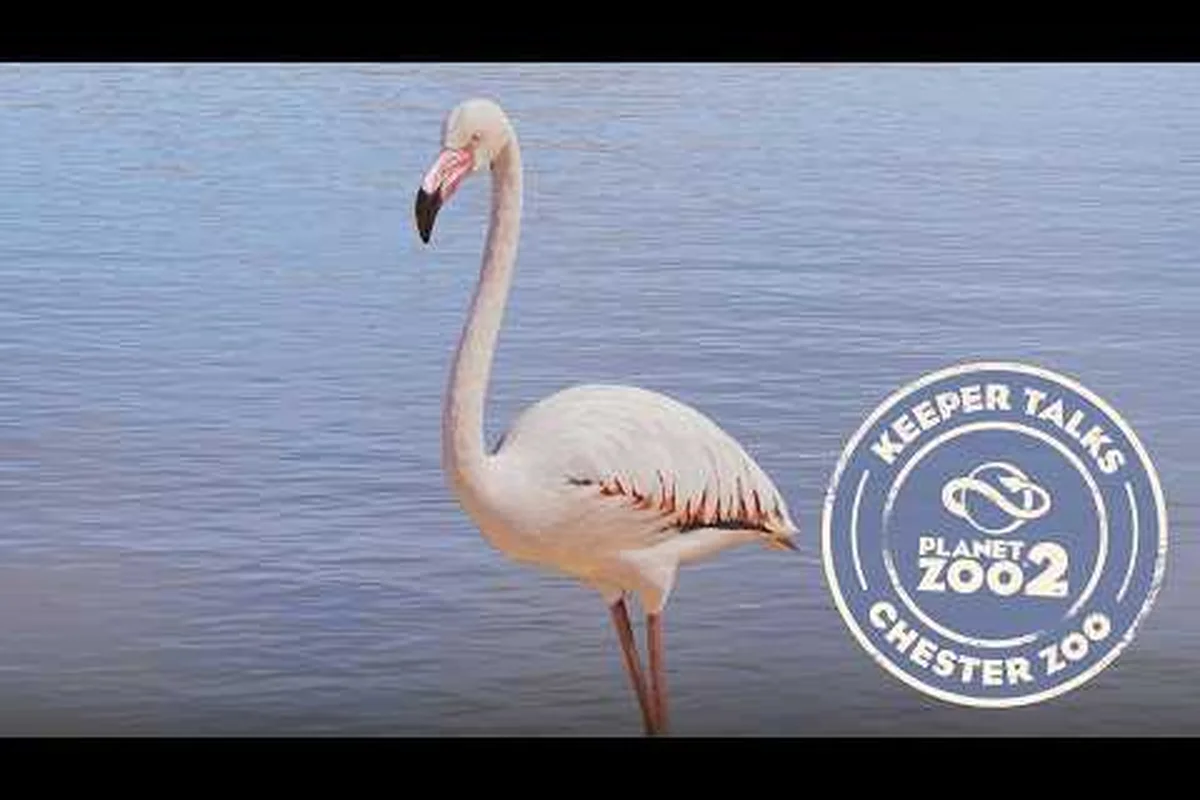
Planet Zoo 2 Animal Food: Diets, Foliage & Feeding Tips
Understand Planet Zoo 2 animal food and diet needs — match the right feed and foliage to each species to cut stress, sickness, and aging issues.
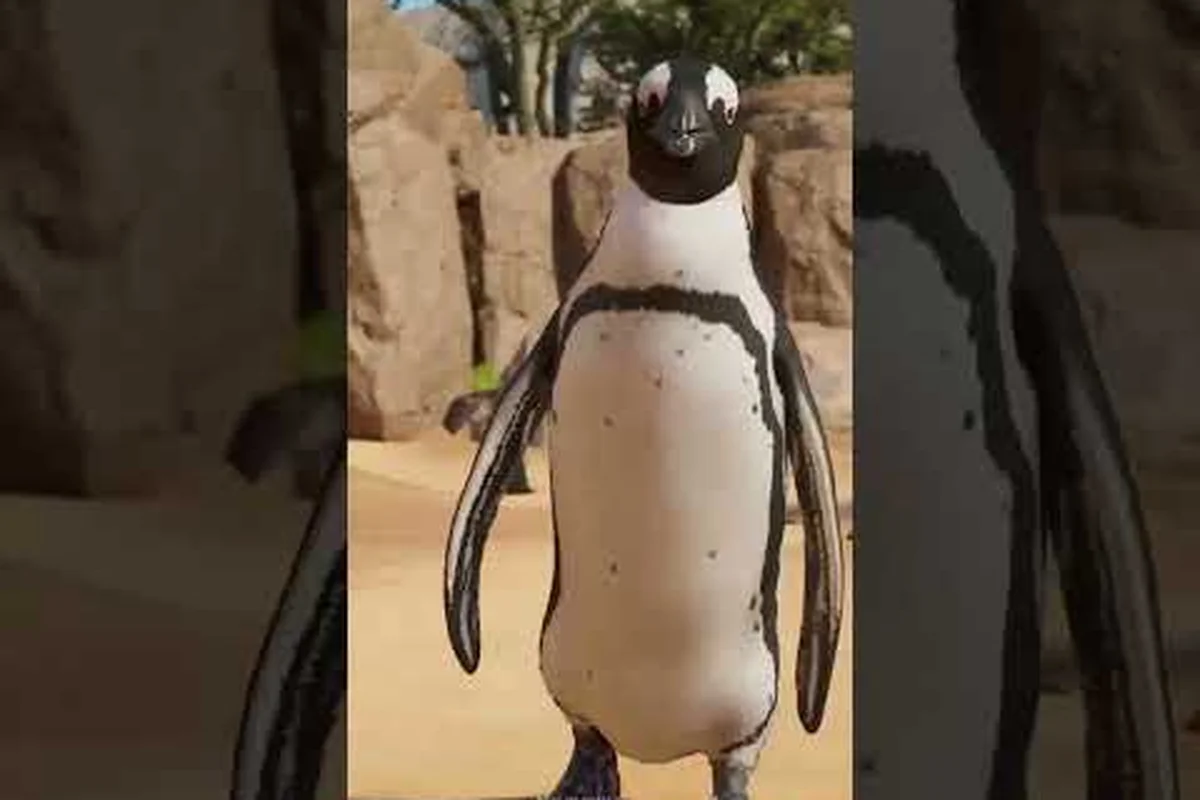
Planet Zoo 2 Animal Roster Guide: Every Species in the Zoopedia
Tour the Planet Zoo 2 animal roster guide — fish, birds, lions, and special-needs species organised by habitat type straight from the Zoopedia.
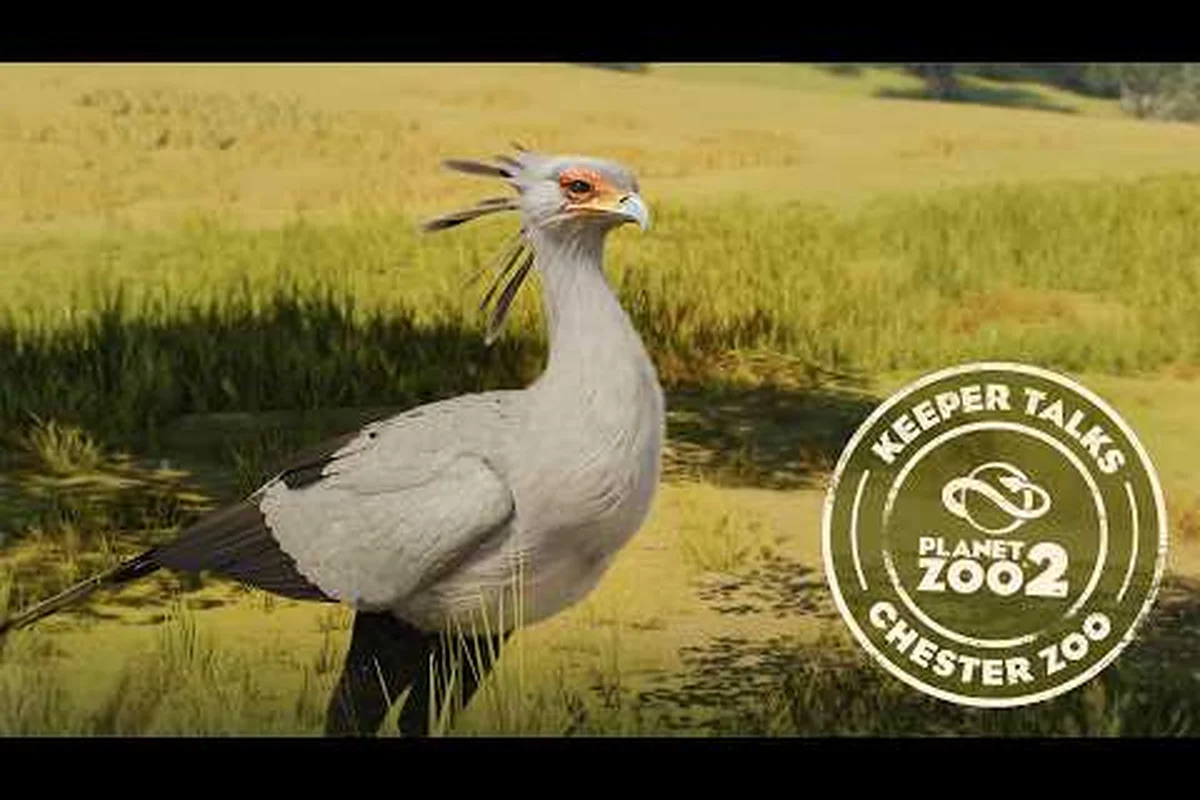
Planet Zoo 2 Common Ostrich: Habitat Needs & Zoopedia Facts
Meet the Planet Zoo 2 common ostrich, the largest bird in the roster — its habitat requirements, biome preferences, and key care stats from the Zoopedia.