
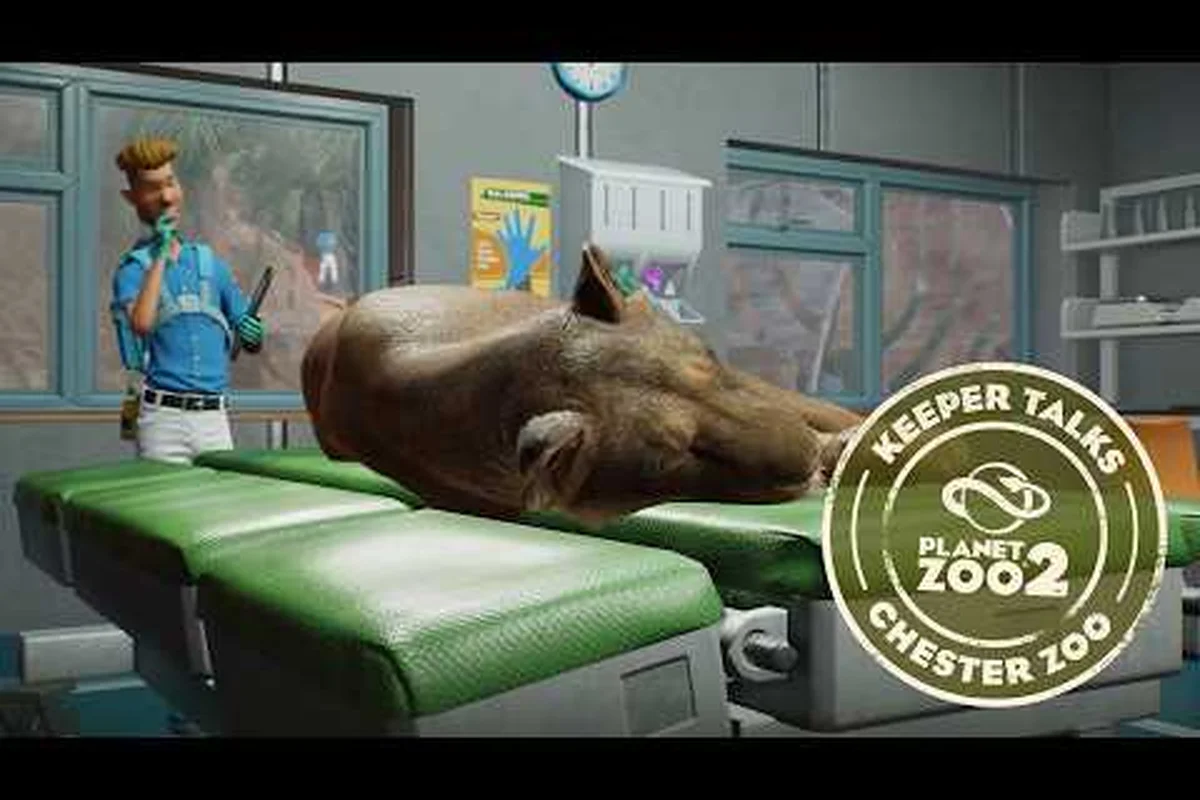
Running a profitable zoo in Planet Zoo 2 depends on more than just placing animals in habitats. Your staff keep the entire operation alive by cleaning enclosures, feeding animals, repairing broken facilities, and researching new technologies that unlock better buildings and higher guest satisfaction. This Planet Zoo 2 staff guide breaks down every role, the facilities they need, how research points flow through the research tree, and how accreditation tiers directly shape your zoo reputation. Without a clear staffing plan, even a well-designed zoo bleeds money through overtime wages and missed research opportunities. To keep that staffing plan from collapsing under pressure, understanding how wages, training, and worker efficiency interact is just as important as the research tree itself, so a closer look at Planet Zoo 2 staff management and labor costs will help you avoid the overtime trap before it drains your budget.
Understanding the Core Staff Roles and Their Facilities
Every staff member in Planet Zoo 2 fills a specific operational niche, and each role requires dedicated facilities to function efficiently. The official Planet Zoo 2 player guides describe staff as essential to the "ins and outs of zoo operation," covering cleaning, research, repairing facilities, and feeding animals. You cannot simply hire a generic worker and expect them to handle everything; each role has distinct tasks, movement patterns, and facility dependencies.
The four primary staff roles you will manage are Keepers, Mechanics, Vets, and Security Guards. Keepers handle animal feeding and habitat cleaning, which means they spend most of their time walking between Keeper Huts and animal enclosures. Mechanics repair broken facilities like water treatment plants, power transformers, and barriers, so they need Workshops placed near high-traffic utility zones. Vets manage animal health, research diseases, and perform medical treatments, requiring Veterinary Surgeries and Research Centers. Security Guards deter vandalism and pickpocketing, and their effectiveness scales with Security Cameras and patrol routes.
| Staff Role | Primary Facility | Core Task | Key Stat to Monitor |
|---|---|---|---|
| Keeper | Keeper Hut | Feeding, cleaning habitats | Workload percentage |
| Mechanic | Workshop | Repairing facilities, barriers | Repair queue length |
| Vet | Veterinary Surgery | Treating sick animals, research | Research speed |
| Security Guard | Security Office | Preventing vandalism | Coverage radius |
Staff facilities must be placed strategically because every walking minute is a lost working minute. A Keeper Hut placed on the opposite side of the zoo from the carnivore enclosures forces your keepers to spend half their shift commuting, which tanks their effective workload capacity. Community reports consistently emphasize that facility proximity matters more than facility count; three poorly placed Keeper Huts underperform one well-positioned hut with a dedicated work zone. You can assign staff to specific work zones through the staff management panel, which prevents a keeper assigned to the reptile house from wandering across the map to clean the savanna exhibit.
Assigning Work Zones and Managing Workload
Work zones are the single most underused tool in the Planet Zoo 2 staff guide toolkit. By default, newly hired staff roam the entire zoo, which creates massive inefficiency because a keeper might clean one habitat, then walk ten minutes to feed another, then walk back for a third task. Assigning each staff member to a Work Zone containing two to four habitats keeps their movement radius small and their task completion rate high.
The workload indicator on each staff member shows whether they are underworked, balanced, or overworked. An overworked keeper skips cleaning tasks, leaves feces in enclosures, and eventually triggers animal welfare penalties that lower your zoo reputation. You should aim for a workload between 60% and 85% for most roles; anything above 90% means you need another hire, while anything below 40% means you are paying wages for idle time. Mechanics are slightly different because their workload spikes after storms or power failures, so keeping one mechanic at 50% baseline gives you buffer capacity for emergencies.
How Research Points Unlock the Planet Zoo 2 Research Tree
Research is the long-term engine of zoo improvement, and this Planet Zoo 2 research guide explains how to generate and spend research points efficiently. Vets assigned to a Research Center generate research points over time, with the rate determined by the vet's training level and the number of active research projects. You cannot research everything simultaneously; the research tree branches into distinct categories that force you to prioritize based on your current zoo's needs.
The Planet Zoo 2 research tree splits into several major branches: Animal Welfare, Facilities, Guest Services, and Conservation. Animal Welfare research unlocks better food quality, enrichment items, and medical treatments. Facilities research unlocks advanced power sources, water treatment upgrades, and more efficient staff buildings. Guest Services research improves shops, education boards, and transport rides. Conservation research unlocks breeding programs and release-to-wild options for endangered species.
| Research Branch | First Unlock | Mid-Tree Unlock | Late-Tree Unlock |
|---|---|---|---|
| Animal Welfare | Basic enrichment items | Advanced medical treatments | Genetic diversity programs |
| Facilities | Solar panels | Water recycling systems | Automated feeding stations |
| Guest Services | Information boards | Gift shop upgrades | Monorail transport |
| Conservation | Breeding program basics | Release-to-wild permits | International breeding networks |
Each research node costs a specific number of Planet Zoo 2 research points, and costs escalate as you move deeper into the tree. Early nodes might cost 50 to 100 points, while late-tree unlocks can demand 500 to 1,000 points or more. Community data suggests that a single trained vet generates roughly 20 to 40 research points per in-game month, which means unlocking a full branch takes multiple in-game years unless you hire additional research staff. Because research points accumulate slowly, you should start research projects immediately after building your first Research Center rather than waiting until problems appear.
Prioritizing Research Based on Zoo Stage
Early-game zoos benefit most from Facilities research because cheaper power and water reduce your recurring expenses. A solar panel unlock can cut your electricity bill by 30% or more, which frees up cash for animal purchases and staff wages. Mid-game zoos should pivot toward Animal Welfare research because higher-quality food and enrichment directly boost animal happiness, which in turn raises guest satisfaction and zoo reputation. Late-game zoos with established revenue streams can afford to invest in Conservation research, which unlocks high-value breeding programs and release-to-wild missions that generate large reputation bonuses.
The research tree also gates certain staff facilities behind specific nodes. For example, the Automated Feeding Station is a late Facilities unlock that reduces keeper workload by automatically dispensing food at scheduled times. This single unlock can eliminate the need for two or three additional keepers in a large zoo, which compounds into significant wage savings over time. Players who ignore research often find themselves hiring more staff to compensate for inefficient facilities, which is a losing economic spiral.
Accreditation Tiers and Their Impact on Zoo Reputation
Accreditation is the prestige system that separates a roadside animal collection from a world-class conservation institution. The Planet Zoo 2 accreditation tiers progress from Unaccredited to Bronze, Silver, Gold, and finally Platinum, with each tier requiring increasingly demanding benchmarks across animal welfare, guest satisfaction, education, and financial stability. Your current tier is displayed prominently on the zoo overview screen, and guests react to it through adjusted expectations and spending behavior.
Higher accreditation tiers directly boost your Planet Zoo 2 zoo reputation, which functions as a multiplier on guest attendance, donation rates, and franchise mode valuation. A Bronze-tier zoo might attract 500 guests per day with moderate donation income, while a Gold-tier zoo pulls 1,500 guests who donate more generously and spend more at shops. The reputation system is not purely cosmetic; it feeds back into your economy by increasing revenue without requiring additional staff or facility investment.
| Accreditation Tier | Key Requirements | Guest Impact | Reputation Bonus |
|---|---|---|---|
| Unaccredited | Basic zoo operation | Low attendance | None |
| Bronze | 70% animal welfare, 60% guest happiness | Moderate attendance | +10% donations |
| Silver | 80% welfare, 70% happiness, 2 education boards | High attendance | +20% donations |
| Gold | 90% welfare, 80% happiness, full research branch | Very high attendance | +35% donations |
| Platinum | 95% welfare, 90% happiness, conservation programs | Maximum attendance | +50% donations |
Accreditation reviews occur on a scheduled basis, and failing to maintain the required benchmarks causes a tier downgrade. The most common reason for downgrade is animal welfare collapse caused by understaffed keeper teams or food shortages. Because accreditation checks evaluate your zoo over a rolling period rather than a single day, a brief welfare dip during a heatwave or storm may not immediately cost you a tier, but sustained neglect will. Players report that the jump from Silver to Gold is the hardest because it requires completing an entire research branch, which takes significant time investment.
How Staff Quality Feeds Into Accreditation
Staff training level is a hidden multiplier on nearly every accreditation benchmark. A Level 1 Keeper cleans habitats slowly and occasionally misses tasks, while a Level 5 Keeper works faster, handles more animals per shift, and rarely triggers welfare penalties. Training staff costs money and takes them offline temporarily, but the long-term benefit is a more stable zoo that holds accreditation tiers without constant micro-management.
You should stagger training schedules so that no more than one-third of your staff is in training at any given time. Training all your keepers simultaneously leaves habitats uncleaned for days, which tanks welfare scores and risks a downgrade. The training system also unlocks specialized skills at higher levels; a Level 4 Vet can research multiple projects simultaneously, while a Level 4 Mechanic can repair facilities without shutting them down first. These skill unlocks compound with research tree upgrades to create a staff team that runs the zoo almost autonomously.
Building an Efficient Staff Facility Layout
Facility placement is the difference between a zoo that runs smoothly and one that constantly flashes warning icons. The core principle is centralized hubs with satellite outposts. Your main staff hub should contain a Keeper Hut, Workshop, Veterinary Surgery, Research Center, and Staff Room clustered together near the zoo entrance or a central plaza. This hub serves as the primary work zone for staff assigned to nearby habitats.
For larger zoos, you need satellite outposts in each major zone. A savanna zone with five habitats needs its own Keeper Hut and small Workshop so that staff assigned to that zone never walk more than thirty seconds to reach their facilities. The cost of duplicate facilities is offset by the labor efficiency gained; a keeper who saves ten minutes of walking per shift completes two or three extra tasks, which reduces the total number of keepers you need to hire.
| Facility | Ideal Placement | Staff Assigned | Upgrade Priority |
|---|---|---|---|
| Keeper Hut | Adjacent to habitat clusters | Keepers | Medium |
| Workshop | Near utility buildings | Mechanics | High |
| Veterinary Surgery | Central hub, near quarantine | Vets | High |
| Research Center | Quiet zone, away from guest paths | Vets | Medium |
| Staff Room | Every major zone | All staff | Low |
| Security Office | Near entrance and high-crime areas | Security Guards | Low |
The Staff Room is frequently overlooked but critically important because it restores staff energy and morale. Tired staff work slower, make more mistakes, and eventually quit if they cannot rest. Placing a Staff Room in every major zone prevents long walks back to a central break area, which keeps your team working at peak efficiency throughout the day. The official Planet Zoo 2 building guide notes that Zoo Entrances can serve as a useful starting power source, which means your initial staff hub can be powered without investing in a separate generator.
Power and Water Considerations for Staff Facilities
Every staff facility consumes power and water, and these utilities scale with the number of buildings you operate. A large zoo with three Keeper Huts, two Workshops, two Veterinary Surgeries, and two Research Centers draws significant power, which forces you to either build additional generators or research renewable energy sources. Solar panels and wind turbines from the Facilities research branch reduce your recurring utility costs, but they require upfront research investment and occupy space that could otherwise hold guest attractions.
Water treatment is equally important because staff facilities produce wastewater that must be processed before it contaminates habitats or guest areas. Placing a Water Treatment Plant near your staff hub prevents contamination events that trigger welfare penalties and accreditation downgrades. The repair queue for water treatment plants is a common bottleneck; assigning a dedicated mechanic to utility maintenance prevents cascading failures during peak hours.
Advanced Staff Management Strategies for Late-Game Zoos
Once your zoo reaches Gold or Platinum accreditation, staff management shifts from reactive hiring to proactive optimization. You should be running a lean staffing model where every employee operates at 70% to 85% workload with minimal idle time. This requires regular workload audits; every in-game month, open the staff panel and check whether any role is consistently underworked or overworked. Adjust work zones, hire, or retrain based on the data rather than gut feeling.
Specialized staff skills become increasingly valuable in late-game zoos. A Level 5 Vet with the Multi-Project Research skill can run three research projects simultaneously, which dramatically accelerates your progress through the research tree. A Level 5 Keeper with the Advanced Animal Handling skill can manage dangerous species without triggering stress penalties, which allows you to keep high-value predators that generate massive guest interest. Investing in training early pays compounding dividends because higher-level staff complete tasks faster and unlock skills that reduce the total headcount you need.
| Late-Game Strategy | Primary Benefit | Implementation Cost | ROI Timeline |
|---|---|---|---|
| Full training program | Faster tasks, skill unlocks | High upfront cost | 6-12 in-game months |
| Satellite facility network | Reduced walking time | Medium build cost | Immediate |
| Automated feeding stations | Fewer keepers needed | High research cost | 3-6 in-game months |
| Dedicated utility mechanic | No repair backlogs | One staff salary | Immediate |
The Automated Feeding Station deserves special attention because it fundamentally changes how you staff large zoos. Once unlocked through the Facilities research branch, these stations dispense food on a schedule without requiring a keeper to physically carry food from a Keeper Hut. A zoo with eight habitats might need six keepers under the manual system but only three keepers with automated stations handling the remaining tasks. The wage savings compound monthly, and the freed-up staff budget can fund additional research or marketing campaigns.
Avoiding Common Staffing Mistakes
The most expensive staffing mistake in Planet Zoo 2 is over-hiring during early game. New players often panic when they see warning icons and hire three keepers, two mechanics, and two vets before their zoo generates enough revenue to cover the wages. This creates a death spiral where high labor costs force ticket price increases, which reduces guest attendance, which lowers revenue, which forces more cost-cutting. The correct early-game approach is to run a minimal staff of one keeper, one mechanic, and one vet, then add staff only when workload indicators consistently exceed 85%.
Another common mistake is ignoring staff happiness. Staff members have their own needs for rest, food, and morale, and unhappy staff quit without warning. A keeper who quits mid-shift leaves habitats uncleaned, which triggers welfare penalties that cascade into accreditation downgrades. Placing Staff Rooms in every zone, keeping wages competitive with nearby zoos in franchise mode, and avoiding excessive overtime all contribute to staff retention. The Planet Zoo 2 staff guide on the official site emphasizes that getting the best out of your team requires understanding who they are and what they do, which means treating them as a resource to optimize rather than an expense to minimize.
Frequently Asked Questions
How many staff members should I start with in Planet Zoo 2?
Start with one Keeper, one Mechanic, and one Vet. This minimal team covers feeding, cleaning, repairs, and basic research without overwhelming your early-game budget. Add a second keeper when workload exceeds 85%, and hire a Security Guard only after guest count passes 500 per day.
What is the fastest way to earn Planet Zoo 2 research points?
Assign your best-trained vet to a Research Center immediately and keep them there full-time. A Level 3 or higher vet generates points significantly faster than a Level 1 vet. Building a second Research Center with another vet doubles your output, but only if you can afford the wages and utility costs.
Do accreditation tiers reset if my zoo performs poorly?
Yes, but not instantly. Accreditation reviews evaluate your zoo over a rolling period, so a brief welfare dip during a storm or heatwave usually does not trigger a downgrade. Sustained neglect across multiple weeks, however, causes a tier drop that requires meeting the benchmarks again to recover.
Which research branch should I prioritize first?
Prioritize the Facilities branch first because it unlocks cheaper power and water, which reduces your recurring expenses. After unlocking solar panels and water recycling, pivot to Animal Welfare research to boost animal happiness and guest satisfaction, which feeds directly into accreditation benchmarks.
How does staff training affect zoo reputation?
Staff training indirectly boosts reputation by improving task speed and reliability. Higher-level keepers clean habitats faster and trigger fewer welfare penalties, while trained vets research faster and treat animals more effectively. These improvements stabilize your accreditation benchmarks, which directly raises your Planet Zoo 2 zoo reputation and donation income.