
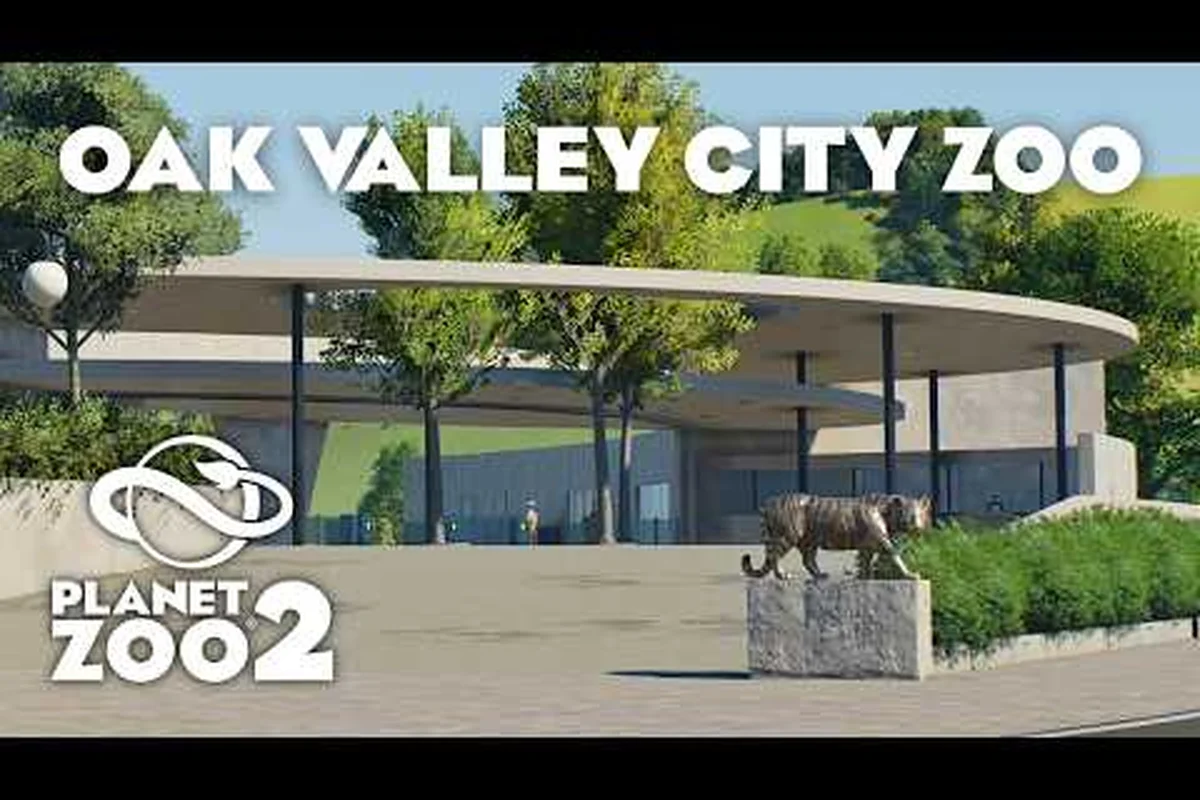
Visitors walk in expecting more than a fence and a sign — Planet Zoo 2 guest needs cover hunger, thirst, souvenirs, restroom access, and the subtle psychology of the gate price they paid. When those layers click, the path between habitat and exit stays busy, donations fill the bins, and the star rating climbs without you micromanaging every thought bubble.
This economy guide walks through the full retail and admissions layer: what each shop type actually does, how to lay them out so guests actually use them, where donation boxes fit, and how to tune Planet Zoo 2 ticket prices against the Planet Zoo 2 entrance fee so visitors feel treated fairly instead of nickled-and-dimed.
According to the official Planet Zoo 2 building guide, structuring facilities and amenities to meet the full range of Planet Zoo 2 guest needs is the foundation of a thriving zoo, since guests evaluate their visit based on how well their expectations for things like shelter, food, drink, and rest are satisfied throughout the day.
Decoding the Guest Needs and Happiness Loop
The guest happiness system in Planet Zoo 2 is not a single bar — it is a stack of micro-needs that decay independently. Hunger, thirst, restroom need, education, and shopping wants all drain in real time, and each one shows up as an orange thought bubble once it crosses a threshold. Guests whose needs are not addressed will eventually leave the zoo angry, and enough angry departures will cap your Planet Zoo 2 entrance fee ceiling through guest happiness multipliers.
What Guests Actually Want
Guests are driven by five core needs that interact with each other. Hunger drops steadily as they walk between habitats, and a starving guest stops enjoying even the best lion enclosure. Thirst behaves similarly but on a faster clock, especially in hot biomes. Restroom need spikes in clusters — when one guest has to go, dozens nearby feel it too, which is why placing multiple restroom blocks across a long path is more efficient than one massive facility.
The fourth need is education and entertainment, which is satisfied by speakers, TV screens, education boards, habitat talks, and the Lecture Hall and Discovery Center facilities. The fifth is shopping, which is where Planet Zoo 2 souvenir shops, food courts, and drink stalls come in. Shopping is unique because it also feeds the conservation economy: a guest who buys a plush leaves a residual donation to your in-game wildlife reserves.
| Need | Fastest Decay Trigger | Primary Fix | Secondary Fix |
|---|---|---|---|
| Hunger | Long walking paths | Burger Bar, Pizza Place | Food court with seating |
| Thirst | Hot biomes, summer season | Soft Drink Stand, Coffee Shop | Multiple drink kiosks |
| Restroom | Long queues at habitats | Restroom blocks (medium/large) | Near entrance and gift shop |
| Education | First-time visitors | Education boards, speakers | Lecture Hall, Discovery Center |
| Shopping | Repeat visitors | Planet Zoo 2 souvenir shops | Donation boxes scattered on path |
The fifth row is the one players most often forget — repeat visitors, who appear regularly in late-game zoos, are far more interested in buying a souvenir than in riding a rollercoaster they have seen three times. The result is that Planet Zoo 2 guest needs are not just about comfort, but about offering the right product at the right time of visit.
Why Layout Matters More Than Quantity
Placing twelve soft drink stands in a tight cluster does not improve thirst satisfaction more than three well-spread stands. Guests will not walk ten minutes out of their way for a drink, so the service radius of each facility is the real constraint. According to the official Planet Zoo 2 player guides on building your zoo, the practical radius for food and drink shops is roughly the length of a short habitat barrier, which means you should plan shop placement around habitat clusters rather than around path intersections.
A balanced approach is to place one or two drink kiosks near the entrance for guests who arrive thirsty, one larger food court near the middle of the zoo for general hunger, and a final drink and snack stop near the exit to mop up any remaining need. The same logic applies to Planet Zoo 2 donation boxes, which work best when they sit in high-traffic rest areas — by a viewpoint, beside a popular gift shop, or at the back of a habitat where the queue is long.
Planet Zoo 2 Shops Guide: The Full Retail Roster
Planet Zoo 2 ships with a layered retail system that goes well beyond a single gift shop. The shops are split into food and drink shops, souvenir shops, and a separate donation infrastructure that does not sell anything but generates income when guests feel moved by what they have seen. Choosing the right mix for a given zoo size is the difference between a small shop earning 200 credits an hour and a properly tuned plaza earning 2,000.
Food and Drink Shops Explained
Food and drink shops are the workhorses of guest satisfaction. There are four main categories in Planet Zoo 2, each with a different balance of hunger, thirst, and price.
| Shop Type | Primary Need | Average Price Tier | Best Placement |
|---|---|---|---|
| Soft Drink Stand | Thirst | Low | Entrance, near viewpoints |
| Coffee Shop | Thirst + Education | Low-medium | Mid-zoo rest areas |
| Burger Bar | Hunger | Medium | Central food court |
| Pizza Place | Hunger (high satisfaction) | Medium-high | Path junctions, family areas |
According to community data on r/PlanetZoo, the most efficient ratio for a medium zoo is roughly one drink stand per 100 guests on path and one full food court per 300 guests. The full food court is a combined facility that lets guests sit and eat, which means they stay longer and produce more shopping money before leaving.
A common mistake is to build only the smallest stalls because they are cheap. The issue is that a soft drink stand only fixes thirst — it does nothing for hunger, education, or shopping. Larger facilities like the Coffee Shop and Pizza Place push satisfaction higher and create natural rest stops that raise the average mood of every guest passing through.
Souvenir Shops and What They Sell
Planet Zoo 2 souvenir shops are a separate category from food and drink, and they live under a different build tab. They sell plush toys, clothing, and themed merchandise that reflects the habitats a guest has visited. The shop a guest picks is partly random, but the location of the shop relative to the Conservation Education Board and the Donation Bin matters for what they want to buy afterward.
| Souvenir Shop Type | Best Match | Conversion Boost |
|---|---|---|
| Generic Plush Shop | Mixed habitat zoos | Base |
| Themed Plush Shop | Specific biome zones (African, Aquatic, Aviary) | High in themed areas |
| Clothing Shop | Repeat visitors | Medium-high |
| Combined Souvenir Plaza | Late-game large zoos | Highest per-guest spend |
The official Planet Zoo 2 documentation highlights that the souvenir shop economy also feeds back into the conservation system — every plush sold contributes a small amount to your conservation credit pool, so a busy plaza is a quiet but steady source of long-term currency. Themed shops in particular sell more per guest because the match between the animal they just saw and the plush they want to buy is a strong psychological hook.
Planet Zoo 2 Donation Boxes and Where to Put Them
Donation boxes are free to build and produce a surprising amount of income when placed correctly. A guest will use a donation box when their conservation awareness and education needs are high — that is, right after they read a board, attended a talk, or had a strong experience in front of a habitat. Placing a donation box in the middle of an empty plaza is wasted; placing it right beside a popular habitat barrier or at the exit of a lecture hall pulls in two to three times the donations.
| Placement | Donation Quality | Notes |
|---|---|---|
| Beside habitat barrier (high-traffic) | High | Best return per box |
| Beside Conservation Education Board | Very high | Combines learning with giving |
| At exit of Lecture Hall | Very high | Guests leaving inspired |
| Scattered every 50m on a long path | Medium | Good for big zoos |
| In empty plazas | Low | Avoid |
The most effective pattern in late-game zoos, as reported by community data, is to place donation boxes at every habitat exit in a chain — guests finish one habitat, drop a coin, walk 30 meters, finish another, drop another coin, and so on. The end result is that a path that wraps around a large habitat can produce 500 to 1,000 credits an hour purely from donations.
Setting Planet Zoo 2 Ticket Prices and Entrance Fee Strategy
The Planet Zoo 2 entrance fee is the most powerful lever you have, because it directly affects guest volume and the multiplier on every other income stream. Too high and the gate stays empty; too low and you leave money on the table. The right price depends on the zoo's current guest happiness, the type of ticket (standard vs conservation), and the time of year.
According to the official Planet Zoo 2 player guide on building your zoo, balancing guest needs such as hunger, thirst, and restroom access is a core mechanic that requires players to carefully plan facility placement and staff coverage throughout their zoo.
Standard Ticket Pricing Tiers
Planet Zoo 2 ticket prices are not flat — the guest happiness rating acts as a multiplier on the effective revenue per guest. A price of $30 with a happiness rating of 80% earns more total money per hour than a price of $50 with a rating of 50%, because the higher happiness pulls in more guests per minute.
| Ticket Price | Effective Guest Flow | Best For |
|---|---|---|
| $5–$15 | Overflow (happiness capped) | Early-game, low facilities |
| $20–$35 | Steady flow (recommended) | Mid-game, balanced zoo |
| $40–$55 | Premium flow | Late-game, maxed happiness |
| $60+ | Risk of empty gate | Only with very high happiness + unique species |
A general rule of thumb is to set the entrance fee at roughly 20% of what a guest would spend inside the zoo on food, drinks, and souvenirs. If the average in-zoo spend is $40, a $20 to $25 ticket feels fair and keeps the guest flow steady. If you push past $40 with average facilities, guests start to leave quickly and your happiness rating dips, creating a negative spiral.
Conservation Tickets vs Standard Tickets
Planet Zoo 2 also offers a conservation ticket that costs a few credits more than the standard ticket but pulls a portion of the price into the conservation credit pool. This is a real strategic choice: guests on a conservation ticket arrive with higher conservation awareness, which means they donate more at donation boxes and buy more themed souvenirs afterward.
The official Planet Zoo 2 page on Steam describes the conservation ticket as a long-term investment — you give up a small slice of immediate gate income in exchange for a higher base rate of conservation credit generation, which speeds up the wildlife reserve research loop. For early-game zoos it is rarely worth it because conservation credit income is still small, but for late-game zoos it stacks with the existing conservation mechanics to produce meaningful gains.
Tuning Prices Against Guest Happiness
The single most important interaction is between Planet Zoo 2 ticket prices and the guest happiness multiplier. The happiness rating is not just a vanity stat — it directly caps how many guests are willing to enter at a given price. A zoo with 90% happiness can charge almost double what a 60% happiness zoo can charge and still pull in the same volume.
| Happiness Rating | Recommended Max Ticket | Guest Flow Quality |
|---|---|---|
| 50–65% | $15–$20 | Low, slow flow |
| 65–80% | $25–$35 | Steady flow |
| 80–90% | $35–$45 | Strong flow |
| 90%+ | $45–$55+ | Premium flow, only with maxed facilities |
A common pattern from community testing is to raise ticket prices gradually as the happiness rating climbs rather than setting a high price and lowering it when guests stop coming. Going up in $5 increments every few in-game months lets you find the ceiling without crashing the gate, and it also lets the AI economist in your head keep track of which species and shops are pulling the most weight.
Layout Patterns and Capacity Planning for Shops
Even the best shops fail if they are sitting in dead zones. The layout of the retail layer needs to match the flow of guests, which is shaped by habitat placement, path length, and the location of education facilities. A common mistake is to put all of the food and drink shops in one corner of the zoo, which creates a 200-meter dead march for guests on the other side.
The Three-Zone Retail Pattern
A useful framework from community data is to split the zoo into three retail zones: a front zone near the entrance for quick needs, a middle zone for full meals and the main souvenir shop, and a back zone for the premium and themed shopping experience. Each zone has a different role and a different set of facilities.
| Zone | Facilities | Purpose |
|---|---|---|
| Front (entrance to first habitat) | 1 drink stand, 1 restroom, 1 small souvenir kiosk | Catch guests arriving hungry/thirsty |
| Middle (central habitats) | Food court, themed souvenir shop, donation boxes | Main satisfaction and income layer |
| Back (premium habitats) | Coffee shop, plush shop, premium donation boxes | Reward guests for walking the long path |
The pattern works because it matches the natural mood curve of a zoo visit. Guests arrive excited but not yet committed, peak in the middle when they are most willing to spend, and finish in a reflective mood that supports large donations at the back of the zoo. For more on the broader economy loop, the Planet Zoo 2 money guide covers the full income side of the system in detail.
Capacity Rules of Thumb
A small starter zoo of about 200 visitors needs roughly two drink stands, one food outlet, one small souvenir shop, and three donation boxes. A mid-game zoo of 500 to 800 visitors needs a full food court, two to three drink kiosks, a souvenir shop, and a themed plush shop, plus donation boxes spaced every 40 to 60 meters. A late-game zoo of 1,500+ visitors should treat retail as a destination: a combined plaza with seating, a flagship souvenir shop, multiple drink kiosks, and a dense donation network at every habitat exit.
The single biggest failure mode reported by players is restroom starvation — a long path with no restroom facility will see guest happiness crater within an hour, even if every other need is met. The official player guides on staff confirm that restrooms are part of the broader facilities layer, but the impact on guest satisfaction is so direct that they should be planned alongside the retail layer.
Cross-Linking the Retail Layer to Habitats and Animals
Retail also reacts to what is on display. A guest who just visited an aquatic habitat is far more likely to buy a marine-themed plush than a generic one, which is why themed shops near the aquatic zone and aviary zone pay for themselves quickly. For more on the species and habitat side that drives the themed shop economy, the Planet Zoo 2 animal roster guide covers which species are present at launch and which of them have the strongest souvenir pull.
Advanced Tips for Veteran Managers
Once the basics of Planet Zoo 2 guest needs are stable, the next layer of optimization is about timing, theming, and the conservation feedback loop. These are the techniques that separate a solid mid-game zoo from a late-game economic engine.
Seasonal and Time-of-Day Effects
Ticket prices and shop demand both react to the in-game season. Summer boosts drink sales and water-feature visits, winter pushes food and indoor education facilities. According to the official Planet Zoo 2 player guides on staff, staff coverage and shop output both scale with guest volume, so it is worth checking that your staff schedule matches the seasonal demand curve.
| Season | Hot Facilities | Cold Facilities | Pricing Tip |
|---|---|---|---|
| Spring | Mixed, education | Mixed | Standard pricing |
| Summer | Drink kiosks, aquatic habitats | Indoor lecture halls | Raise drink shop prices slightly |
| Autumn | Themed souvenir shops | Coffee shops | Premium theming pulls in more spend |
| Winter | Indoor food, hot drinks | Outdoor gift shops | Lower ticket prices to maintain flow |
Seasonal pricing is not necessary to succeed, but it does help maximize income during the high-demand months. The trade-off is that prices should never move more than $5 to $10 per ticket at a time, because guests react to sudden price hikes by leaving.
Conservation Loop and Shop Income
The retail layer is wired into the broader conservation system. Every themed souvenir, every donation, and every conservation ticket contributes a small amount to the conservation credit pool, which then funds reserve research and species recovery. The Planet Zoo 2 entrance fee, when set to the conservation ticket type, acts as a multiplier on this whole loop.
According to community data, a late-game zoo with a $40 conservation ticket, four themed souvenir shops, and a dense donation network can produce 3,000 to 5,000 conservation credits an hour. That is enough to fund regular reserve releases and a steady stream of new species, which then drives more guests, which then drives more donations. The loop compounds, and a well-tuned retail layer is what keeps the front of the curve open.
Common Mistakes and Quick Fixes
The most common mistakes are easy to spot and easy to fix once you know what to look for. The first is forgetting restrooms — a zoo with twelve shops and zero restrooms will still see happiness collapse. The second is placing donation boxes in dead zones — move them beside education boards and habitat exits. The third is overpricing the entrance fee — a $60 ticket on a mid-game zoo is the single fastest way to empty your guest flow.
| Mistake | Symptom | Fix |
|---|---|---|
| No restrooms | Fast happiness drop on long paths | Add restroom blocks every 200m |
| Donation boxes in empty areas | Low donation income | Move to habitat exits |
| Overpriced tickets | Empty gate, slow income | Drop price by $10–$15 |
| All food in one corner | Hungry guests on the other side | Spread food shops by zone |
| Single generic shop | Low per-guest spend | Add themed shops beside matching habitats |
For a broader view of how this all fits into the early-game build order, the Planet Zoo 2 beginner guide covers the first-day layout and the first habitat picks. The retail layer typically enters the build order after habitats and education, which is why getting it right in the second or third in-game month has such a large effect on the rest of the run.
Frequently Asked Questions
What are the most important Planet Zoo 2 guest needs to cover first?
Hunger and thirst should be covered first, because they decay fastest and affect every other need. Once those are stable, restrooms and education come next, followed by souvenir shops and donation boxes for income. The order matters because a guest who is hungry does not enjoy education, and a guest with no restroom access leaves regardless of how good the rest of the zoo is.
How many Planet Zoo 2 food and drink shops do I need for 500 guests?
For a mid-sized zoo of roughly 500 visitors, plan for two to three soft drink stands or coffee shops, one full food court with seating, and at least one themed drink kiosk near the aquatic zone. The exact number depends on path length and habitat distribution, but a useful rule is one drink outlet per 150 guests and one food court per 300 to 400 guests.
Where do Planet Zoo 2 donation boxes earn the most?
Donation boxes earn the most when placed beside a Conservation Education Board, at the exit of a Lecture Hall, or right next to a high-traffic habitat barrier. Guests donate most when they have just learned something or had a strong emotional moment with an animal, so the placement of the box matters as much as its quantity. Boxes placed in empty plazas or on quiet side paths will earn very little.
What is the best Planet Zoo 2 entrance fee for a mid-game zoo?
For a mid-game zoo with 70 to 80% guest happiness, the sweet spot is roughly $25 to $35 per standard ticket. Going above $40 will start to slow the gate, and going below $15 leaves income on the table. The conservation ticket is worth switching to once conservation credit income is more important than raw cash flow.
Do Planet Zoo 2 ticket prices affect conservation credit income?
Yes — the conservation ticket variant routes a portion of every ticket into the conservation credit pool instead of the main balance. A $35 to $45 conservation ticket on a late-game zoo produces significantly more conservation credits per hour than the same price on a standard ticket, which is why the conservation ticket becomes the default choice in well-tuned late-game zoos.